
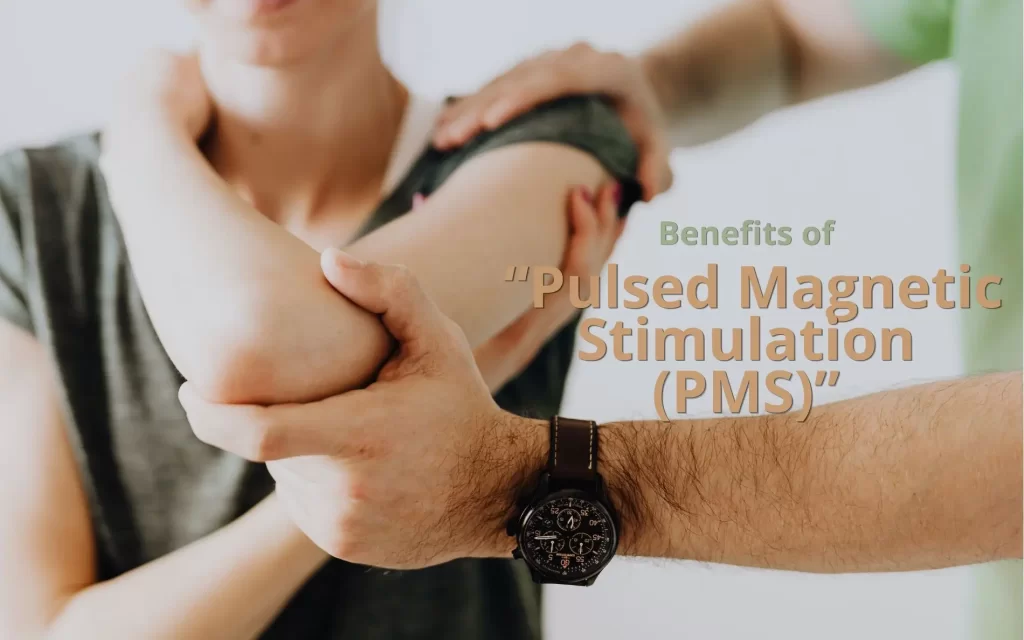
Pulsed Magnetic Stimulation (PMS) is a non-invasive therapy that uses magnetic
pulses to stimulate muscles and nerves, helping to reduce pain and muscle stiffness
while promoting relaxation and improved flexibility. It enhances blood circulation in the
treated area, supports muscle recovery, and reduces fatigue, making it beneficial for
rehabilitation and physical therapy. PMS is generally well tolerated and can contribute
to improved neuromuscular function and overall musculoskeletal health.Benefits of Pulsed Magnetic Stimulation (PMS): A Modern Approach to Rehabilitation and Pain Relief
In recent years, Pulsed Magnetic Stimulation (PMS) has emerged as an innovative and non-invasive therapy used in rehabilitation and physical medicine. By using controlled magnetic pulses to stimulate nerves and muscles, PMS helps activate the body’s natural healing processes and improve physical function. This technology has gained increasing attention in medical and rehabilitation fields because it offers an effective way to reduce pain, enhance muscle activity, and support recovery without the need for surgery or medication.
One of the most significant benefits of Pulsed Magnetic Stimulation is its ability to stimulate muscles and nerves without direct skin contact. Magnetic pulses penetrate deep into body tissues, reaching muscles and nerves that are difficult to activate with traditional electrical stimulation. When these magnetic fields interact with the nervous system, they trigger muscle contractions and encourage nerve signaling. This process can help restore movement, improve muscle strength, and support neuromuscular coordination.
Another important advantage of PMS is its role in pain management. Many patients suffering from chronic pain, muscle stiffness, or nerve-related discomfort can benefit from magnetic stimulation therapy. The magnetic pulses can help reduce pain signals, relax tense muscles, and improve local blood circulation. As circulation improves, oxygen and nutrients are delivered more efficiently to injured tissues, promoting faster healing and recovery.
Pulsed Magnetic Stimulation is also widely used in neurological rehabilitation, particularly for patients recovering from conditions such as stroke, spinal cord injuries, or nerve damage. After neurological injuries, communication between the brain and muscles may become impaired. PMS can help stimulate the affected nerves and muscles, encouraging the brain to rebuild neural pathways through a process known as neuroplasticity. As a result, patients may gradually regain better control of movement and improve their functional abilities.
In addition, PMS can support muscle strengthening and prevention of muscle atrophy. Patients who have limited mobility due to injury, illness, or long periods of inactivity often experience muscle weakening. Magnetic stimulation helps activate muscles repeatedly and safely, maintaining muscle tone and preventing excessive muscle loss. This is particularly helpful in rehabilitation programs where patients need to rebuild strength before returning to normal activities.
Another appealing aspect of Pulsed Magnetic Stimulation is that it is generally comfortable and well tolerated by patients. Because the therapy does not require electrodes attached to the skin, patients often experience less discomfort compared to electrical stimulation methods. Treatment sessions are typically short and can be integrated easily into a comprehensive rehabilitation plan alongside physical therapy exercises and other therapeutic interventions.
Despite its many benefits, PMS is usually used as part of a multidisciplinary rehabilitation approach rather than a standalone treatment. Physical therapists, physicians, and rehabilitation specialists often combine magnetic stimulation with exercise therapy, manual therapy, and functional training to achieve the best results for patients.
In conclusion, Pulsed Magnetic Stimulation represents a promising advancement in modern rehabilitation and physical therapy. By stimulating nerves and muscles, improving circulation, reducing pain, and supporting neurological recovery, PMS provides valuable support for patients undergoing rehabilitation. As medical technology continues to advance, therapies like PMS are expected to play an increasingly important role in helping patients regain movement, reduce discomfort, and improve their overall quality of life.