
Golden Period in Stroke Patients and the Importance of Physical Rehabilitation
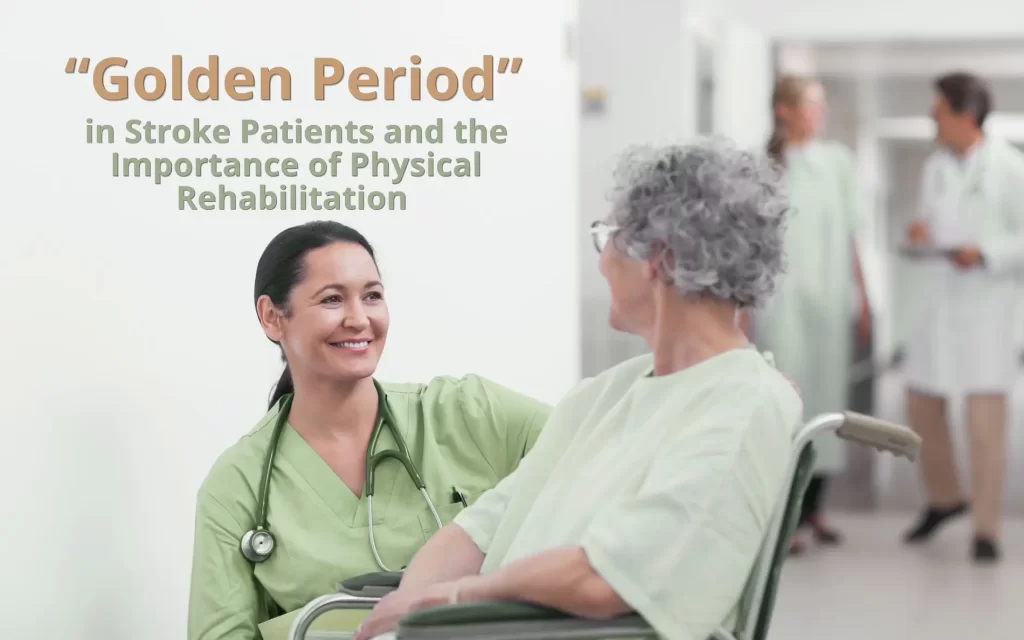
The Golden Period in stroke patients refers to the crucial time after the onset of a stroke when medical treatment and rehabilitation can produce the most effective results. During this period, the brain still has a strong ability to recover and reorganize its functions, which is known as neuroplasticity. Prompt treatment and early rehabilitation, including physical therapy, can significantly reduce long-term disability and improve the patient’s quality of life.
A stroke occurs when the blood supply to part of the brain is interrupted or reduced, depriving brain tissue of oxygen and nutrients. This condition can be broadly categorized into two main types: ischemic stroke, caused by a blood clot blocking a blood vessel in the brain, and hemorrhagic stroke, caused by bleeding in the brain. In the case of ischemic stroke, the Golden Period for emergency treatment is usually within the first 4.5 hours, when clot-dissolving medication can be administered to restore blood flow. However, the concept of the Golden Period also extends into the early recovery stage, particularly during the first weeks to months after a stroke, when rehabilitation can have the greatest impact.
Physical rehabilitation plays a vital role during this stage. After a stroke, many patients experience problems such as muscle weakness, paralysis on one side of the body, difficulty walking, impaired coordination, and balance problems. Physical therapy helps patients regain strength, mobility, and independence through structured exercises and guided movement training. Therapists focus on improving muscle control, joint flexibility, and coordination, which allows patients to relearn everyday activities such as standing, walking, and using their hands.
Early rehabilitation is particularly important because the brain has a higher capacity to adapt and form new neural connections shortly after injury. When patients begin physical therapy during the Golden Period, the brain can more effectively relearn lost functions by using alternative neural pathways. This process helps restore movement and functional abilities that may have been affected by the stroke.
In addition to improving physical function, rehabilitation during the Golden Period can also reduce complications associated with immobility. For example, regular movement and therapeutic exercise can prevent muscle stiffness, joint contractures, pressure sores, and blood clots. Early physical activity also improves circulation, enhances muscle tone, and helps patients regain confidence in their movements.
Successful stroke recovery often requires a multidisciplinary approach. In addition to physical therapists, patients may work with occupational therapists, speech therapists, and rehabilitation physicians. This team approach ensures that different aspects of recovery—such as mobility, daily living skills, communication, and cognitive function—are addressed together.
Family support and patient motivation are also essential factors during rehabilitation. Stroke recovery can be a long process that requires patience and consistent effort. Encouragement from family members and caregivers can help patients stay engaged in therapy and maintain a positive outlook during their recovery journey.
In conclusion, the Golden Period in stroke patients is a critical phase that offers the best opportunity for recovery. Early medical treatment combined with timely physical rehabilitation can significantly improve functional outcomes and reduce long-term disability. By recognizing the importance of this period and providing appropriate therapy and support, healthcare professionals and families can help stroke patients regain independence and improve their overall quality of life.