
Physical Therapy for Stroke Patients: Early Care and the Path to Recovery
A stroke occurs when the blood supply to part of the brain is interrupted, preventing brain tissue from receiving oxygen and nutrients. This condition can lead to serious complications such as muscle weakness, paralysis on one side of the body, speech difficulties, and problems with balance or coordination. Recovery after a stroke can be challenging, but early care and physical therapy play a crucial role in helping patients regain movement, independence, and quality of life.
Understanding Stroke and Its Effects
Stroke can affect many aspects of the body depending on the area of the brain involved. Some patients may experience hemiparesis, which is weakness on one side of the body, while others may develop hemiplegia, or complete paralysis on one side. In addition, stroke can cause stiffness in the muscles, difficulty walking, and reduced coordination. Because of these challenges, rehabilitation becomes an essential part of the recovery process.
Physical therapy focuses on restoring movement, improving muscle strength, and helping patients relearn daily activities. With consistent training and guidance from healthcare professionals, many stroke patients can regain significant functional ability over time.
Initial Care for Stroke Patients
The early stage after a stroke is very important for preventing complications and supporting recovery. Family members and caregivers often play a key role in providing basic care. One of the first priorities is proper positioning of the patient. Changing the patient’s position regularly helps prevent pressure sores and reduces muscle stiffness. Supporting the affected arm and leg with pillows can also help maintain proper alignment.
Gentle range-of-motion exercises may be recommended to prevent joint stiffness and maintain flexibility. These movements should be performed carefully and preferably under the guidance of a healthcare professional. Maintaining good hygiene, ensuring proper nutrition, and monitoring the patient’s general condition are also important aspects of early care.
Another important element is preventing complications. Stroke patients who remain inactive for long periods may develop problems such as muscle contractures, blood clots, or respiratory issues. Encouraging safe movement and light activity as recommended by healthcare professionals can help reduce these risks.
The Role of Physical Therapy in Stroke Rehabilitation
Physical therapy is a key component of stroke rehabilitation. It helps patients gradually rebuild strength, coordination, and mobility. Therapists assess each patient’s physical condition and design a rehabilitation program tailored to individual needs.
Therapy often begins with basic movement training, such as sitting balance, assisted standing, and simple weight-shifting exercises. As patients improve, therapy may progress to gait training, balance exercises, and strengthening activities. These exercises help patients relearn how to walk, maintain stability, and perform daily activities more independently.
In addition to improving movement, physical therapy also focuses on retraining the brain and muscles to work together again. Through repeated practice and guided exercises, the brain can form new neural pathways, a process known as neuroplasticity. This ability allows the body to gradually recover lost functions.
The Importance of Regular Therapy
Recovery from stroke is often a gradual process that requires patience and persistence. Regular physical therapy sessions help maintain progress and prevent regression. In many cases, therapy programs include a combination of clinic-based rehabilitation and home exercise programs that patients can continue daily.
Consistency is essential because the brain and body respond best to repetitive and structured training. Over time, patients may regain better control of their muscles, improve their balance, and become more confident in performing daily tasks such as walking, dressing, or transferring from bed to chair.
Support from Family and Caregivers
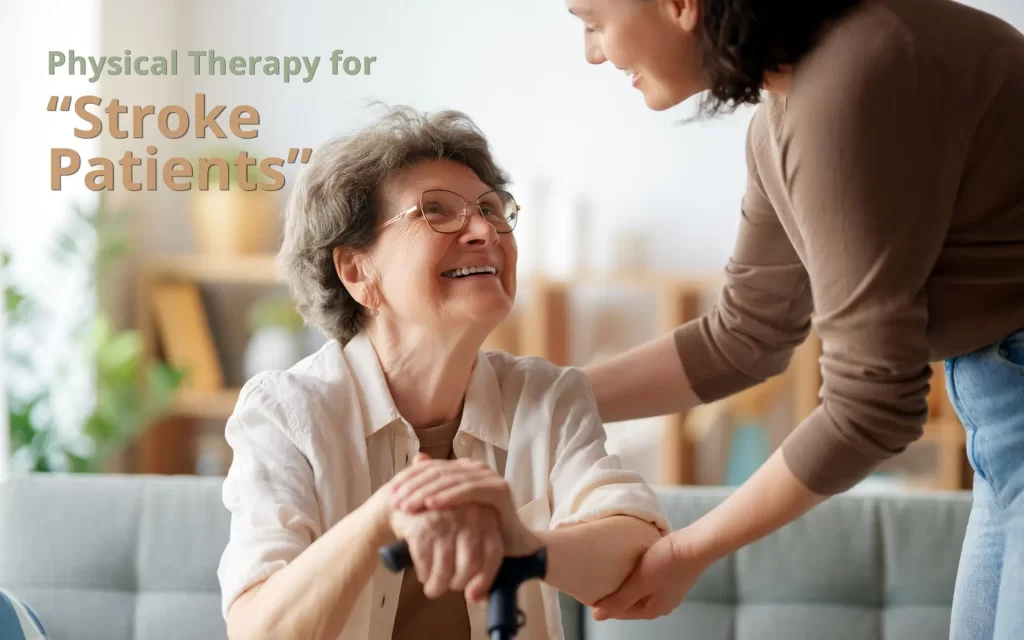
Family support plays a vital role in stroke rehabilitation. Encouragement and assistance from caregivers can motivate patients to continue their exercises and remain engaged in therapy. Caregivers can also help create a safe environment by removing obstacles, providing support during walking practice, and assisting with daily routines.
Emotional support is equally important. Many stroke patients may feel frustrated or discouraged during their recovery journey. Positive encouragement and understanding from family members can greatly influence the patient’s confidence and determination.
Conclusion
Physical therapy is one of the most important components of recovery for stroke patients. Early care, proper positioning, gentle movement, and structured rehabilitation exercises can help prevent complications and promote recovery. With the combined support of healthcare professionals, caregivers, and family members, stroke patients can gradually regain strength, mobility, and independence. Although recovery may take time, consistent rehabilitation and compassionate care can make a meaningful difference in helping patients rebuild their lives after stroke.